Big Changes Coming to Land Bank – What Will They Mean for Morningside?
The Detroit Land Bank Authority has faced serious scrutiny and challenges over the past year, with some major changes anticipated in 2026. Given that the DLBA is a major property holder in Morningside, I’m anxious to see what these changes will mean in practice.
In April, the City Council zeroed out funding for the DLBA in the 2025-26 budget, amid serious debate about whether the DLBA should be dismantled as a quasi-governmental body and its functions taken over by the city.
In November, the DLBA released a strategic plan for the next five years which addresses some of residents’ long-standing criticisms. Included among the DLBA’s ten goals are promises of greater transparency, collaboration with community partners to create projects like parks and gardens on vacant land, more support for potential buyers of DLBA properties, and improved property maintenance. You can read the details here.
The City Council and DLBA had been working without a Memorandum of Understanding for the past two years. In November they finally reached a one-year agreement on a new MOU, which includes more outreach and relocation efforts for people living in DLBA-owned houses and discounts for land sold to community land trusts. (More about community land trusts will be coming in future issues).
And of course, the election of Mary Sheffield as Detroit’s new mayor will hopefully mean a big change in the composition of the DLBA board.
The mayor is entitled to appoint four out of five of its members. The current board has been skewed heavily toward the interests of bankers, realtors, and developers. Sheffield now has an opportunity to ensure that the voices of residents are amplified on the board by including housing advocates such as the United Community Housing Coalition, urban planners, and leaders of neighborhood organizations.
The policy that could make the greatest difference to Morningsiders is the DLBA’s plan to “mobilize neighborhood resources and private partners to support property maintenance.” The Land Bank has for years had a poor track record on maintenance of their vacant houses in Morningside.
Here are a couple of examples of DLBAowned houses on Courville that were cleaned up recently by residents who were tired of waiting for the Land Bank to do it. We could eliminate much of the remaining blight in Morningside if the DLBA would simply pay residents to take care of our own neighborhood. Other cities, like Flint, have partnered with organizations to maintain vacant land, and we could do the same.
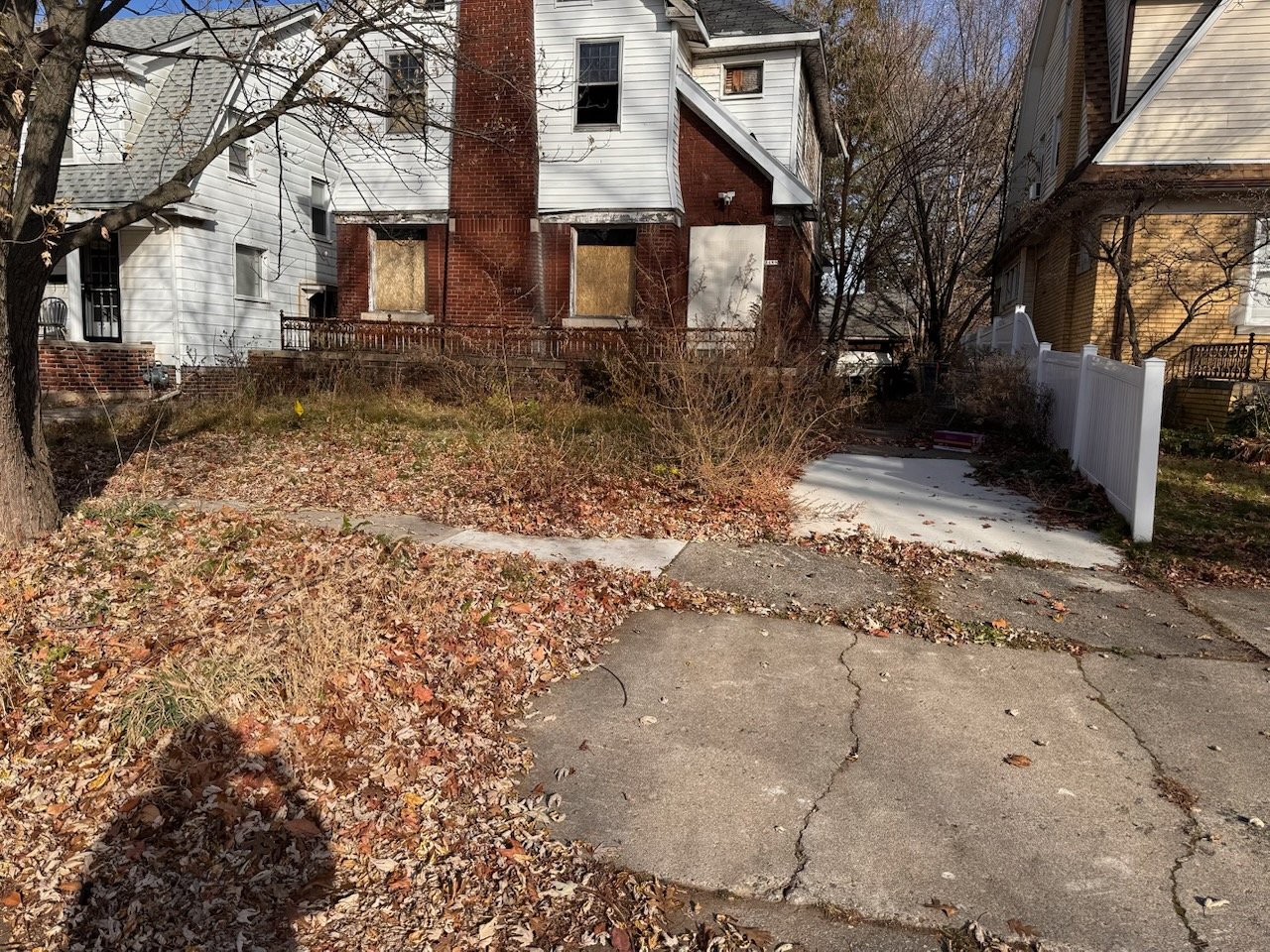
3488 Courville before. Image courtesy of Susan Newell
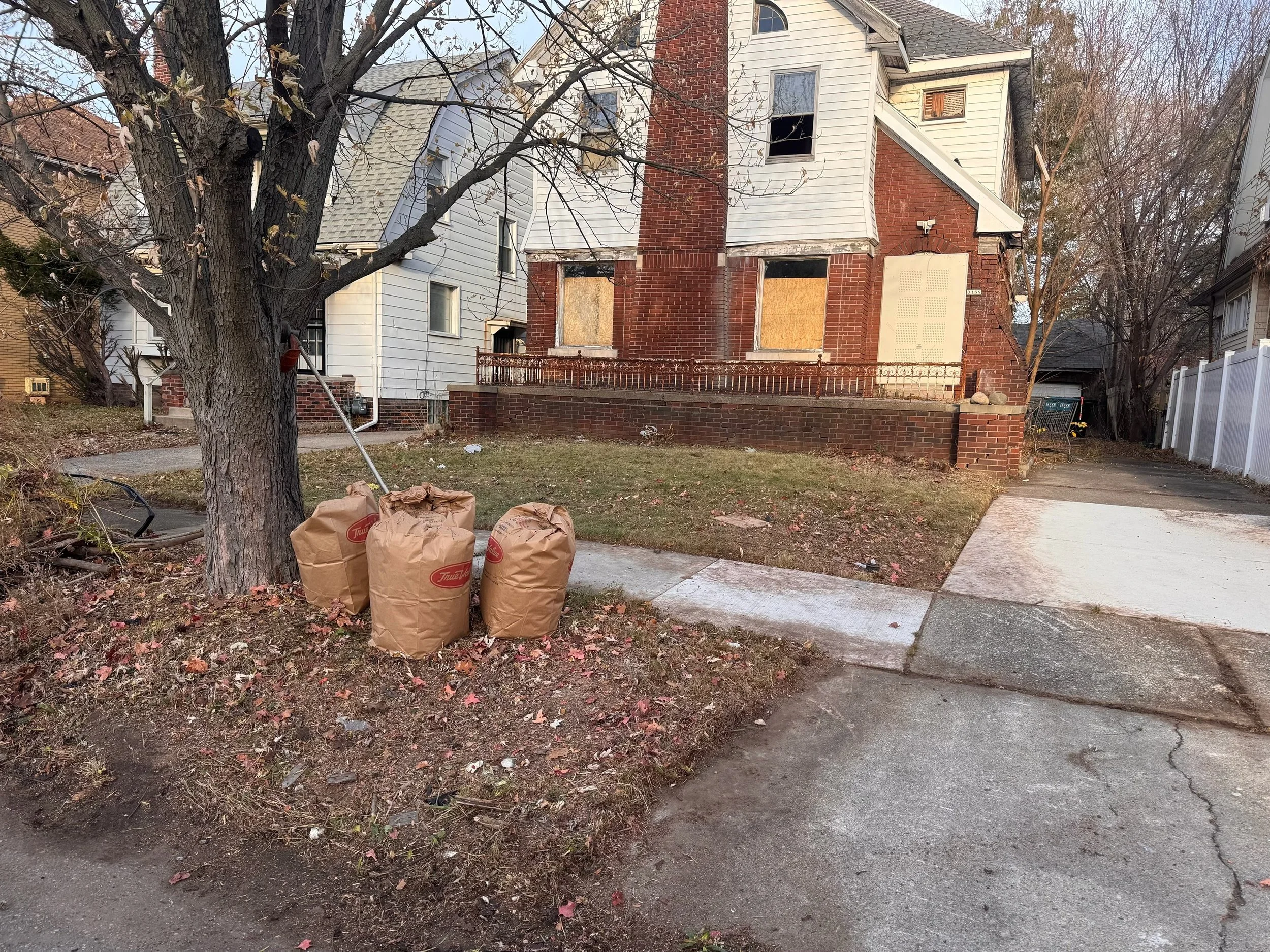
3488 Courville after neighborhood clean up. Image courtesy of Susan Newell
The DLBA and City have put forward some great promises for 2026 and beyond. It’s up to us to make sure they fulfill those promises.